
No products in the cart.
Fake Money
Passing counterfeit currency
14
Aug
Aug
what is passing counterfeit currency?
Passing counterfeit currency is a serious in Canada, governed by strict laws and regulations. As technology advances, the methods for detecting and producing counterfeit money have evolved. Despite these advancements, counterfeit currency remains a concern for law enforcement agencies, businesses, and citizens alike.
counterfeit currency report
This essay provides an in-depth exploration of the legal, social, and technological aspects surrounding counterfeit currency in Canada in 2024, focusing on the legal consequences, preventive measures, historical context, and the role of both individuals and institutions in combatting this issue.
Legal Framework Governing Counterfeit Currency in Canada
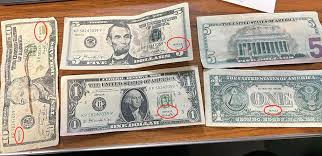
The production, distribution, and use of counterfeit currency is illegal under Canadian law. The Criminal Code of Canada outlines various offenses related to counterfeit money. Sections 449-462 deal with counterfeit currency crimes, and they describe the specific offenses and their corresponding penalties. These sections cover crimes such as making counterfeit money, passing counterfeit currency knowingly, and possessing equipment used to make counterfeit notes.
In addition to the Criminal Code, the Currency Act and regulations set by the Bank of Canada also play an important role in regulating currency and deterring counterfeit activity. The Bank of Canada is responsible for the design and issuance of Canadian banknotes and incorporates several advanced security features to make counterfeiting difficult.
Counterfeit Currency Trends in 2024
In 2024, the landscape of counterfeit currency in Canada has evolved with advancements in both counterfeiting techniques and anti-counterfeiting technologies. While the overall prevalence of counterfeit currency remains relatively low compared to other forms of financial crime, it is still a persistent issue, particularly in urban centers and in border regions.
Counterfeiters today often rely on sophisticated technologies, such as high-quality printers, 3D printing, and digital imaging software, to replicate the appearance of legitimate banknotes. However, advancements in forensic examination and currency design have also kept pace. Canadian banknotes, especially the polymer series introduced in 2011, have numerous security features, such as transparent windows, raised ink, holographic elements, and hidden text, which make them extremely difficult to replicate convincingly.
Technological Advancements in Counterfeiting Prevention

One of the most effective tools in the fight against counterfeit currency is technology. In 2024, Canada continues to implement new security features in its currency that are increasingly difficult to replicate. The polymer banknotes used in Canada are known for their durability and resistance to counterfeiting. They incorporate a range of sophisticated security features, including:
- Transparent Windows: Canadian banknotes have clear windows that are difficult to mimic using traditional counterfeit methods.
- Holographic Foil: Some denominations include holographic strips or patches that change appearance when tilted, providing a visual cue for authenticity.
- Microprinting and Fine Line Patterns: These intricate designs are challenging to replicate with standard commercial printing equipment.
- Raised Ink: On the front of Canadian banknotes, raised ink provides a tactile feature that is hard to reproduce.
- Ultraviolet Light Features: Many banknotes contain elements visible only under ultraviolet light, adding another layer of security for banks and businesses to detect counterfeit bills.
Legal Consequences for Counterfeiting Offenses

The legal consequences of counterfeiting offenses in Canada are severe, reflecting the seriousness of this crime. Under the Criminal Code, several key offenses related to counterfeit currency carry heavy penalties.
- Making Counterfeit Money: A person who creates counterfeit currency is committing a serious indictable offense. This crime can lead to a maximum penalty of up to 14 years in prison. The creation of counterfeit currency requires intent, meaning the prosecutor must prove that the individual knowingly engaged in making false currency with the purpose of passing it off as real.
- Possessing Counterfeit Money: Under Section 450 of the Criminal Code, simply possessing counterfeit money, with the intent to use or distribute it, is also a criminal offense. Those found guilty of possessing counterfeit currency face similar penalties to those who produce it, with up to 14 years in prison.
- Passing Counterfeit Currency: Also known as “uttering” counterfeit money, this is the act of attempting to pass off a counterfeit bill as genuine currency. Even if an individual did not create the fake bill themselves, knowingly attempting to use it for financial gain is illegal and carries penalties of up to 14 years in prison.
- Possession of Counterfeiting Instruments: The law also criminalizes the possession of any tools or instruments that could be used to produce counterfeit currency. This includes printing devices, paper, or other specialized equipment that could aid in counterfeiting efforts.
Social and Economic Impact of Counterfeit Currency
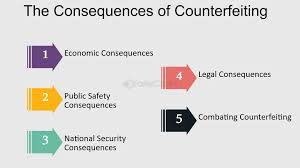
The social and economic impact of counterfeit currency in Canada is significant. Even though counterfeit money is a relatively rare problem compared to other types of fraud, its presence can undermine public trust in the monetary system and lead to financial losses for businesses and individuals.
passing counterfeit currency Minnesota
Moreover, widespread use of counterfeit currency can lead to inflationary pressures, though this is less of a concern in Canada due to the relatively low rate of counterfeiting. However, if the issue were to grow, it could erode the value of money by increasing the amount of “fake” currency in circulation.
Measures to Prevent and Detect Counterfeit Currency
Preventing and detecting counterfeit currency requires a coordinated effort between law enforcement, businesses, financial institutions, and the general public. In Canada, several measures are in place to combat counterfeiting.
- Public Awareness Campaigns: The Bank of Canada plays a key role in educating the public on how to detect counterfeit currency. Through its “Know Your Money” program, the Bank offers resources to help Canadians recognize the security features on banknotes, including posters, handouts, and online tutorials.
- Training for Businesses: Businesses are on the front lines of the fight against counterfeit currency. Many retailers and cash-handling businesses train their employees to recognize the security features of Canadian banknotes. Cashiers and other staff members are often trained to use counterfeit detection devices, which have become more sophisticated and affordable in recent years.
- Collaboration with Law Enforcement: Canadian law enforcement agencies, including the Royal Canadian Mounted Police (RCMP), actively investigate and dismantle counterfeit operations. The RCMP’s Integrated Counterfeit Enforcement Team (ICET) works closely with local police forces and the Bank of Canada to track and prosecute counterfeiters.
- Banknote Examination: Financial institutions such as banks and credit unions play a vital role in identifying counterfeit bills. When a suspicious banknote is found, it is sent to the Bank of Canada for examination. If the bill is determined to be counterfeit, it is removed from circulation and reported to the authorities.
- Technological Tools: Advances in technology continue to aid in counterfeit detection. Many businesses now use automated cash handling systems that are equipped with counterfeit detection software. These systems can quickly scan a banknote’s security features and flag any discrepancies.
The Role of Digital Currency in Reducing Counterfeiting
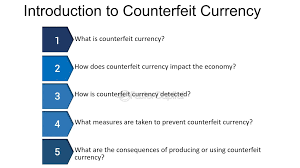
FAQs on Counterfeit Currency
1. What is counterfeit currency?
Counterfeit currency is fake money that is illegally produced to imitate real banknotes and deceive others into accepting it as genuine.
2. Is it illegal to possess counterfeit money?
Yes. In most countries, including Germany and the U.S., knowingly possessing or using counterfeit currency is illegal and can lead to serious penalties.
3. What should I do if I receive counterfeit money?
Do not attempt to use it. Report it immediately to your local bank or law enforcement authority and follow their instructions.
4. How can I tell if money is fake?
You can check security features like watermarks, security threads, color-shifting ink, and raised printing. Banks also use detection tools to verify authenticity.
5. Can counterfeit money be used accidentally?
Yes. People sometimes receive fake notes unknowingly but using them after realizing they are fake can still create legal issues.
6. Who investigates counterfeit currency cases?
Counterfeit cases are usually handled by national law enforcement agencies such as financial crime units or central bank security departments.
7. How can businesses protect themselves from counterfeit cash?
Businesses use UV scanners, counterfeit detection pens, and staff training to identify fake currency and reduce fraud risk.
